
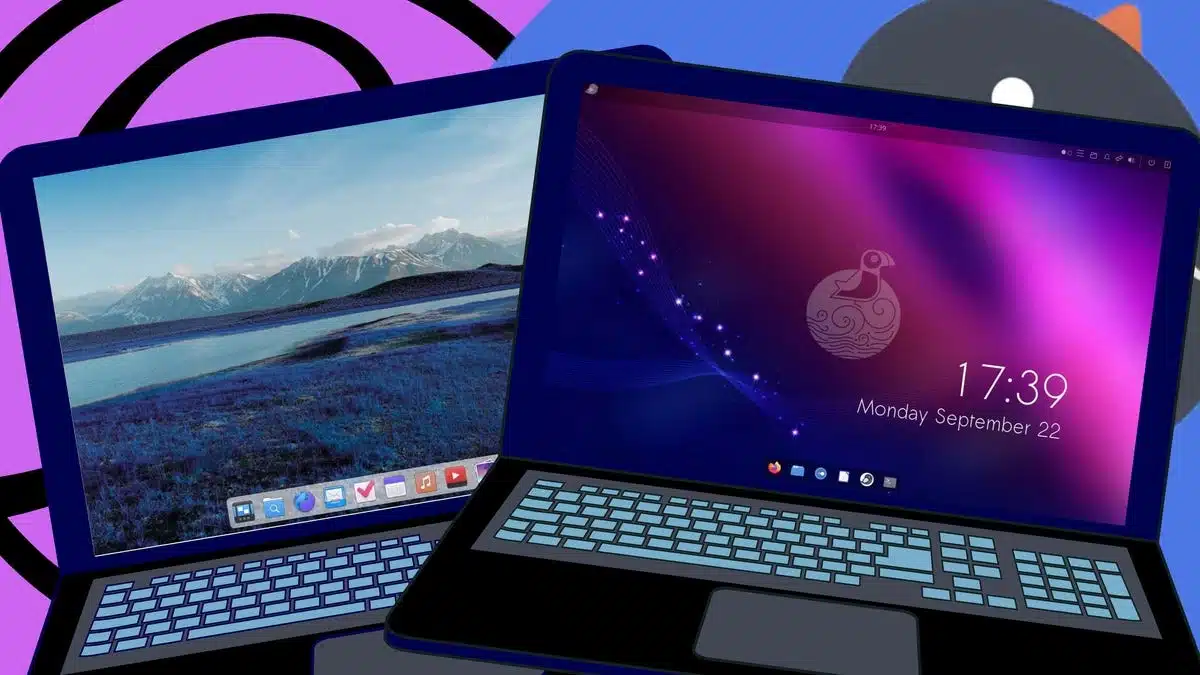
After nearly 30 years of using Linux, I’ve compiled a list of my top 11 favorite distributions from the many I’ve experienced over the years. While some distros have faded away, others continue to thrive, showcasing the evolution of the open-source operating system.
Pop!_OS has become a favorite for its efficiency and beautiful interface, especially since it is pre-installed on System76 hardware. It’s a powerhouse OS that stands out for its performance, particularly with the upcoming enhancements of the COSMIC desktop version, which will further improve user experience. However, it’s worth noting that it requires a robust system to run effectively.
If I were to switch from Pop!_OS, Ubuntu Budgie would be my top pick. Not only is it visually appealing, but its layout is customizable, allowing users to personalize their desktop experience significantly. The user-friendly nature combined with its aesthetic makes it an excellent choice for many.
Rhino Linux impresses with its stunning visuals and has transitioned away from the Xfce desktop to offer an even more refined appearance. As a rolling release distribution, it ensures users always have access to the latest software, featuring multiple package managers for convenience.
Bodhi Linux is memorable for its Moksha desktop, built on the Enlightenment foundation. Known for being lightweight and fast, it’s ideal for reviving old hardware. Its extensive theme options allow for substantial customization, although it may present a learning curve for newcomers.
This distribution is celebrated for its appealing aesthetics and user-friendly features, akin to MacOS. With a strong focus on privacy through its Secure Session feature, elementaryOS offers a consistently beautiful experience, making it a great option for Linux newcomers.
A staple in the Linux community, Ubuntu is well-known for its ease of use and extensive hardware support. It’s frequently the base for many other distributions, making it a solid option for anyone transitioning from Windows.
Once criticized for its slow performance, Fedora has transformed into a strong competitor, particularly since version 40. While it typically uses GNOME, several spins are available, providing users with alternative desktop environments, boosting its versatility.
For deploying server environments, Ubuntu Server stands out as a reliable choice. It simplifies software installation and management despite lacking a GUI, making it robust and secure for server use.
ZorinOS allows for an intuitive user experience by offering multiple desktop layouts. It’s especially recommended for those migrating from Windows, fostering a smooth transition with its user-friendly design.
Although no longer in existence, Mandrake Linux was a pioneer in user-friendliness, contributing significantly to my own journey in Linux. Its legacy lives on through distributions like Open Mandriva.
Caldera was my first Linux experience, memorable for its role in my shift away from Windows. This distribution may not exist anymore, but it holds a nostalgic value as it marked the beginning of my Linux adventure.
These distributions reflect the rich history and community behind Linux, showcasing why it remains a favorite in the tech world.
ChicagoVPS is your gateway to unparalleled hosting solutions. Our state-of-the-art datacenters and powerful network ensures lightning-fast speeds and uninterrupted connectivity for your websites and applications. Whether you’re a startup looking for scalable resources or an enterprise in need of enterprise-grade hosting, our range of plans and customizable solutions guarantee a perfect fit. Trust in ChicagoVPS to deliver excellence, combining unmatched reliability and top-tier support.
For Inquiries or to receive a personalized quote, please reach out to us through our contact form here or email us at sales@chicagovps.net.


