
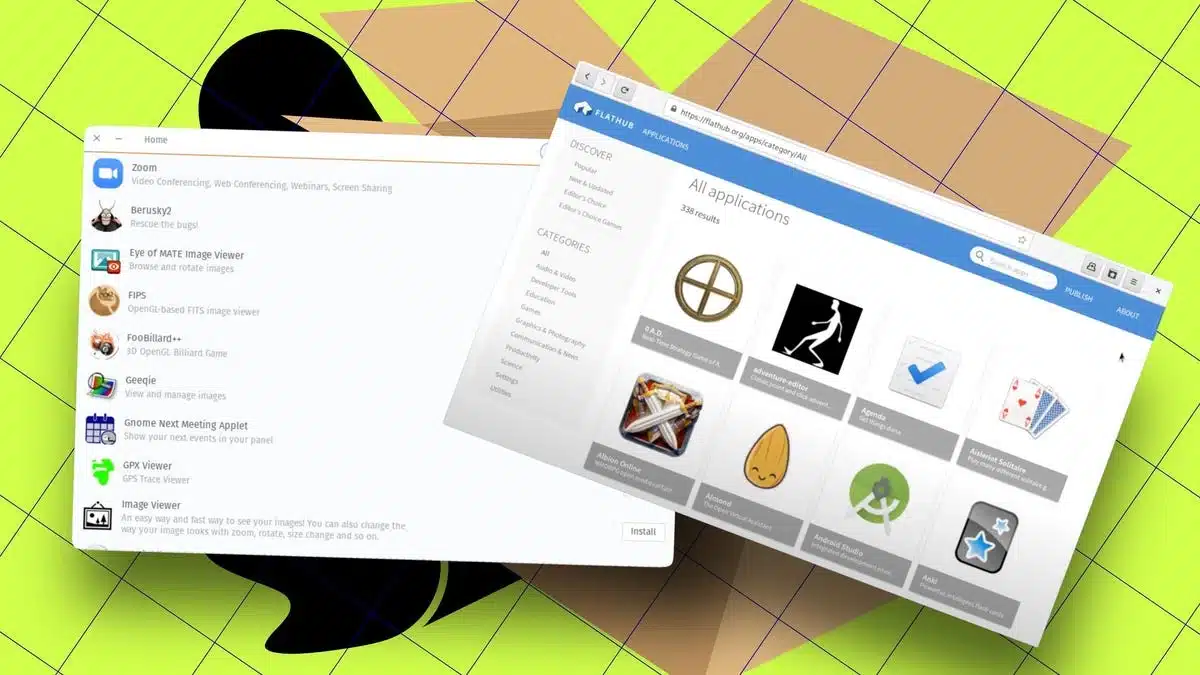
Both Snap and Flatpak serve as universal package managers for Linux, each with unique advantages and drawbacks. This article explores the key differences between the two, detailing how they influence application installation across various Linux distributions.
Snap and Flatpak offer alternative methods to install applications on Linux, packaging the necessary dependencies alongside each application. This ensures that software can be installed on any distribution supporting the respective package manager.
Use Cases: Snap shines in server environments, allowing easy installation of server applications like Nextcloud with a single command (sudo snap install nextcloud). In contrast, Flatpak is less ideal for server use due to its dependence on desktop session services.
Desktop Performance: Flatpak is fully open-source and generally faster, using less disk space and system resources. It also offers more granular permission management through tools like Flatseal, allowing users to restrict app access to system features.
Distribution Compatibility: Flatpak is often favored in distributions like Arch and Fedora, where it may be included by default. On the other hand, Ubuntu users benefit from tighter integration of Snap with core applications and server components.
Snap relies on the centralized Snap Store managed by Canonical, which poses a risk if the repository experiences downtime. In contrast, Flatpak utilizes decentralized repositories, ensuring greater reliability as availability isn’t dependent on a single entity.
Typically, Flatpak applications are quicker to launch and take up less disk space than Snap apps, which can sometimes bloat the system and lag in performance. The operational overhead of running Snap is higher as it requires additional background processes.
For desktop usage, Flatpak is generally the superior option due to its efficiency and open-source nature. Snap, however, is indispensable for server environments and IoT applications where integration and automatic updates are essential.
In practical terms, if you require a faster application or seek to conserve disk space, Flatpak is preferable. If you prioritize integration with core system apps or require server compatibility, Snap emerges as the better choice. Many users ultimately choose to keep both package managers installed for maximum application availability.
ChicagoVPS is your gateway to unparalleled hosting solutions. Our state-of-the-art datacenters and powerful network ensures lightning-fast speeds and uninterrupted connectivity for your websites and applications. Whether you’re a startup looking for scalable resources or an enterprise in need of enterprise-grade hosting, our range of plans and customizable solutions guarantee a perfect fit. Trust in ChicagoVPS to deliver excellence, combining unmatched reliability and top-tier support.
For Inquiries or to receive a personalized quote, please reach out to us through our contact form here or email us at sales@chicagovps.net.


